
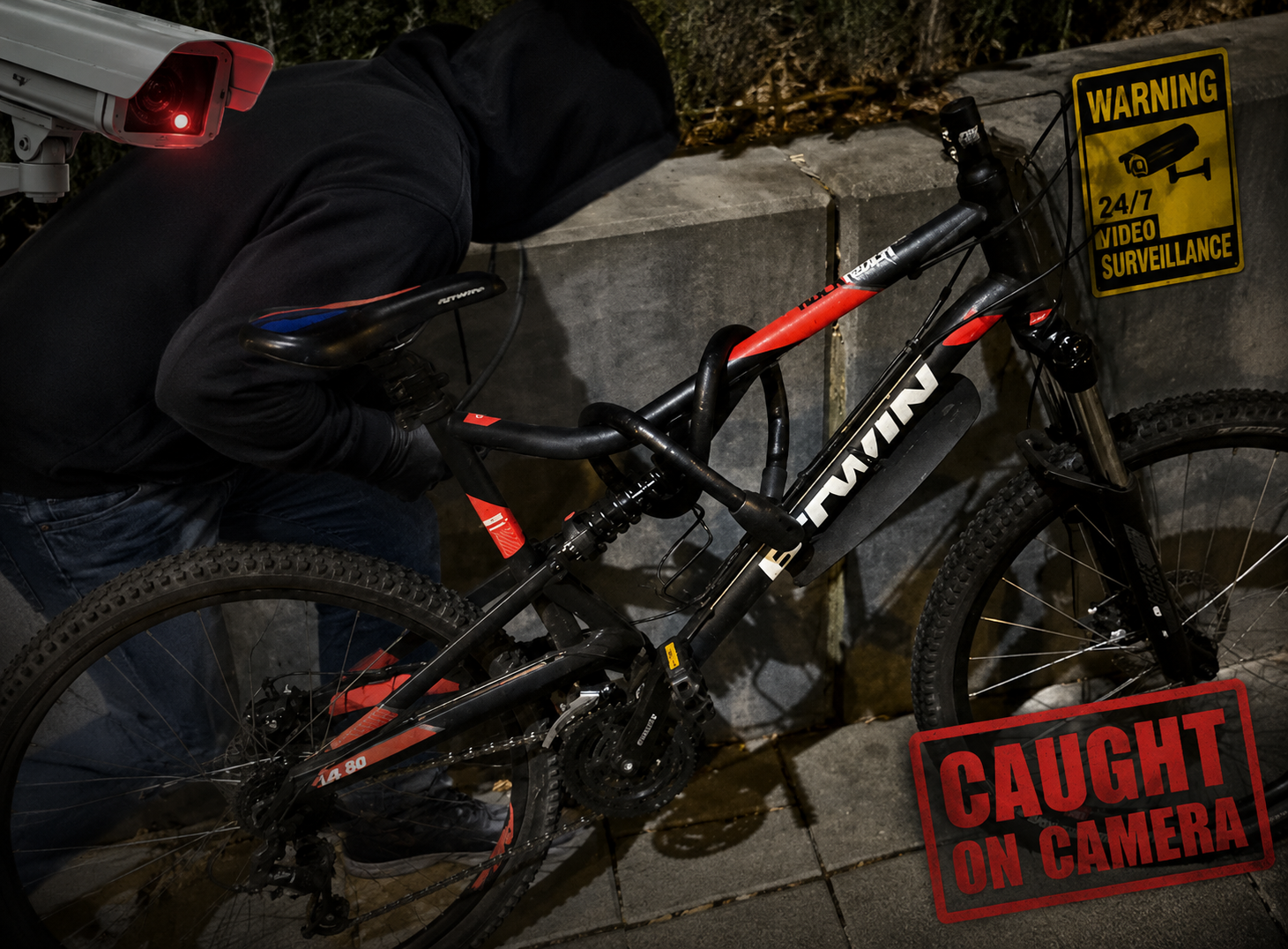
From stolen bike to online listing
There are few things more frustrating than having your mountain bike stolen.
But imagine finding your own bike for sale online just days later.
That is exactly what happened in Eindhoven, the Netherlands — and instead of simply scrolling past the suspicious Marktplaats advertisement, the bike’s owner decided to take matters into his own hands.
The mountain bike had been stolen, leaving its owner with little more than the hope that it might eventually turn up.
Then came the unexpected discovery: a mountain bike being offered for sale on Marktplaats, the Dutch equivalent of a local online marketplace.
The owner recognized his bike.
Rather than immediately confronting the seller, he arranged a meeting through the advertisement.
And suddenly, what looked like an ordinary second-hand bike deal became something very different.
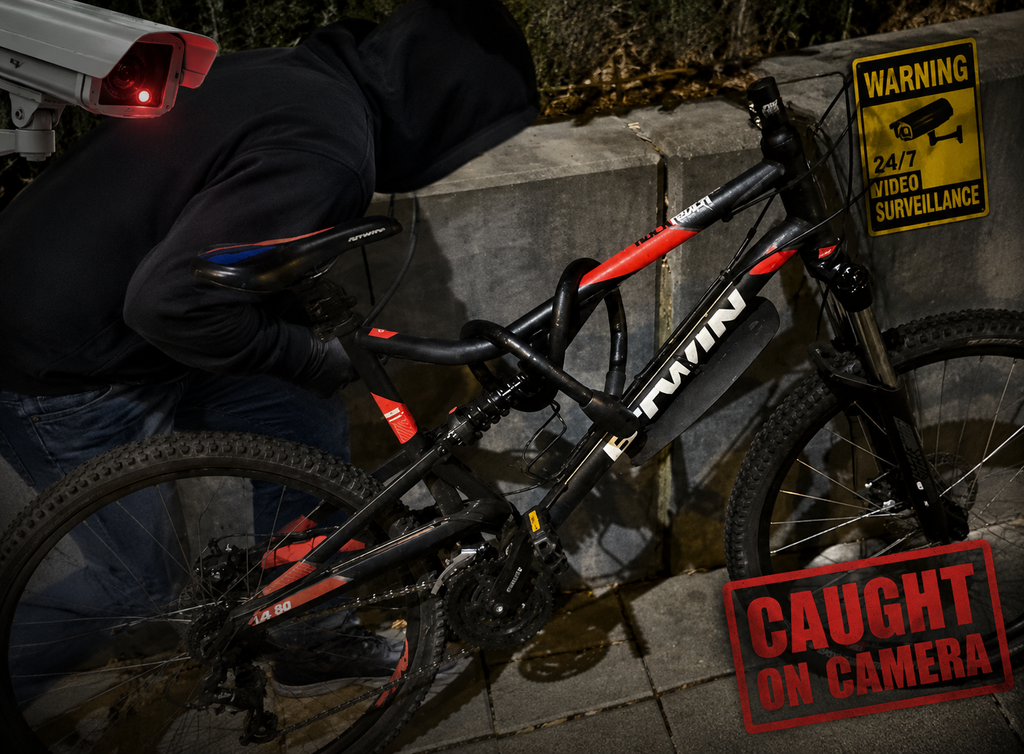
The owner comes face-to-face with his stolen bike
The victim went to the agreed meeting point in Eindhoven.
Waiting for him was the bicycle he believed had been stolen from him.
Imagine that moment.
After searching for your missing bike, you suddenly see it sitting in front of you — except now somebody else is trying to sell it.
The meeting ended with the police becoming involved, and the person offering the bike was arrested on suspicion of handling stolen property.
The stolen mountain bike was recovered.
For the owner, it was an unusually satisfying ending to a bike theft: the thief apparently put the evidence up for sale himself.
Marktplaats can become a digital trail
Online marketplaces can be extremely useful for thieves trying to move stolen property. But they can also leave behind a trail of evidence.
A stolen bike advertised online can expose the seller through photographs, account information, messages, meeting arrangements and the bicycle itself.
Marktplaats explicitly warns buyers that stolen goods may sometimes appear on the platform and advises users to check a bicycle’s registration details and frame number before buying.
And that creates an interesting problem for bike thieves.
You may be able to steal a bike in seconds.
Selling it without getting caught is another story.
The danger of the “too good to be true” bike
Mountain bikes are attractive targets because good-quality bikes can be worth serious money.
A quick look at current Marktplaats listings in Eindhoven shows hundreds of mountain-bike advertisements, with prices ranging from inexpensive used bikes to considerably more valuable machines.
That makes marketplaces an obvious place for criminals to try to turn stolen bikes into cash.
But it also gives owners another place to look.
If your bike disappears, don’t automatically assume it is gone forever.
Check local marketplace listings.
Look for your frame.
Look for distinctive scratches, components, stickers or modifications.
And most importantly, keep your frame number and photographs somewhere safe before the bike disappears.
The lesson for bike owners
The Eindhoven case is a reminder that recovering a stolen bike can sometimes depend on leaving a digital trail.
A good set of photographs can help prove ownership.
A recorded frame number can help identify the bike.
And marketplace listings can sometimes reveal where a stolen bicycle has ended up.
There is also a more important lesson: don’t confront a suspected thief yourself.
If you recognize your stolen property online, save the advertisement, screenshots and messages and contact the police. A meeting that looks like an easy recovery can become dangerous very quickly.
In this case, however, the story had a remarkable twist.
The mountain bike wasn’t hidden away in some secret garage.
It wasn’t dismantled for parts.
It was sitting on a public marketplace waiting for a buyer.
And the person who showed up to “buy” it already knew exactly who the rightful owner was.
The thief had put the stolen bike online. The owner simply followed the trail.